
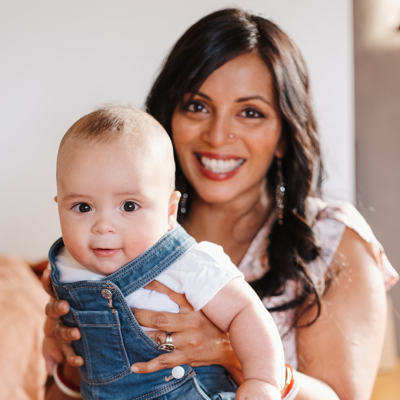


Becoming a mother for the second time has been a smoother experience; I don’t think this is by chance however. No, I think it’s because this time I made sure to prioritise my needs for the postpartum period, and not just my new baby’s.
The first six weeks post birth is considered to be a sacred time in many cultures. Traditionally the mother’s tribe, i.e. midwives, elders (grandmothers, mothers, aunts), sisters and close female relatives would prepare nourishing meals for the mother, help her do rituals to aid recovery, make sure she was warm and fed as she embarked on the incredible journey that is motherhood. The new mother’s sole responsibility was to rest and feed her newborn, everything else was done by her tribe for those first 6 weeks.
For most of us nowadays, such a lavish rite of passage is near impossible. We can however, take inspiration and adopt these principles in our modern day lives.
BEFORE BIRTH
Ask for help
A fundamental mindset issue I find with many women is that we don’t ask for help (I am guilty of this also). But motherhood demands so much of us that not asking for help is detrimental to everyone involved.
So start asking for help from your support person/people, this could be your partner, parent or friend. Please have open and frank discussions about what their expectations are for the first few weeks/months and how they intend to be involved in the early days post birth.
This might look like setting expectations around:
- feeding
- changing nappies
- taking care of older children household chores
- cooking and meal prep
- attending appointments etc.
It is difficult to have these conversations in the postpartum period when we are immensely sleep deprived and healing from birth. Everything feels more intense and simple discussions can turn into full blown arguments.
Start flexing those larynx muscles and ask for help. Your mental wellbeing, and the ones of your closest people, will thank you for it.
Reach out to crucial service providers
Build your tribe by reaching out to a couple of crucial services that every expecting mum needs, no exceptions. No matter if you are planning for an elective caesarean, or you’ve had a smooth sailing pregnancy, planning for a vaginal birth or <insert ANY reason here>.
Peristeaming is a global postpartum recovery practice. Not only does it help heal tissues of the entire pelvic region to avoid or rectify prolpase, it also helps the uterus shrink back to its pre-pregnancy size, ensures complete lochia expulsion, but it also has a calming effect on the mother.
This calming effect helps to boost breastmilk production and induce deep rest. Peristeaming also assists with promoting good bowel movements, helps heal haemorrhoids and expedite suture or tear healing and more. You can read more about this service here.
Pelvic floor physiotherapy is another must. Your pelvic floor does a number during pregnancy and birth. Vaginal births can cause more trauma than c-section births, but the pelvic floor is compromised during pregnancy regardless.
Incontinence, prolapse, and many other issues can be mitigated by simple exercises that you can begin to do before birth, and continue to do after as well. Shea Spitty from Female First Physiotherapy is my local favourite based in Kilmore, Victoria.
Learn about postpartum nutrition
Eating the right foods during the first 6 – 12 weeks post birth is crucial for the mother. Not only does it help balance out hormones, aid breastmilk production and induce sleep, it also helps to replenish all the nutrients you have lost during pregnancy and birth. Your baby has literally been sucking the nutrients out of you for 9 months, then you birth him or her and lose blood, not to mention endure trauma (even if it was an “easy” birth)!
In many cultures around the world; soups, stews, broths and porridges are a staple during this phase, no matter the season. Traditional postpartum recipes include a mixture of:
- complex carbohydrates which are great for good bowel movements and assisting in deep sleep
- protein and/or collagen rich or collagen building to assist with healing
- lots of water to ensure the mother is adequately hydrated for breastfeeding
- and jam packed with galactagogues (foods that increase milk supply).
These foods are warming, soft, nutritionally dense and easy to digest. The first forty days: the essential art of nourishing the new mother is a great book that I highly recommend every pregnant woman to read.
Having a friend or family member prepare fresh meals for you will be the best option, the second option is to batch cook large portions of these meals and freeze them. There may be meal train services available in your area, and if so please share those services and your postcode in the comments section so that other women can find them too. There isn’t one in Mitchell Shire that I am aware of as yet.
Prepare for breastfeeding challenges
Breastfeeding is a breeze for some women, but in my experience it was very difficult. I highly recommend investing in a hospital grade double electric breast pump so that you have a fallback option if feeding off the breast is too painful.
I had no issue with milk supply, but my babies didn’t latch on properly, or even if they did, it wasn’t for too long. It’s one less thing to worry about once your baby arrives.
The Spectra S1 double electric pump is the G.O.
POST BIRTH
Prioritise your mental health
Our mental state directly rubs off on our baby, so if there’s a decision that affects your mental health, make your mental health a priority.
For me, this was all about feeding, choosing to breastfeed, pump or formula feed. I was adamant on breastfeeding my second child for 6 months, but my situation only allowed for exclusive pumping (and topping up with formula if needed).
After 11 weeks of being tied to the breast pump, I was done. It no longer brought me joy, it didn’t feel justified and I was getting depressed.
So I made a decision to stop pumping earlier than I had anticipated. My baby was happy and healthy, and he couldn’t care less about being bottle fed breast milk or formula.
In turn, I got to spend time with my older child and husband, and do things that brought me joy.
You may have a different issue, but the bottom line is the same: your mental health matters foremost.
Rest your eyes
In eastern medicine, namely TCM (Traditional Chinese Medicine) and Ayurveda (traditional Indian medicinal system), there is a concept of resting your eyes.
The new mother should not read or have too much screen time for those first few weeks. This is to ensure she is not overstimulated which can hinder recovery. She is already in a state of extreme vulnerability, so nervous system down regulation is key.
I did not heed this advice with my first child, but did after my second and noticed a considerable difference in my ability to rest (even though I couldn’t always sleep when my baby slept). I refused to check my phone or pick up a book, and it really did help.
The nervous system needs to be tended to, and a good TCM practitioner can assist with this, so can pelvic steaming. A TCM practitioner can perform acupuncture, and provide herbal tinctures to assist with postpartum recovery. Our closest TCM clinic is In Symmetry in Romsey.
Peristeam as soon as you can
This will depend on whether you had a vaginal or caesarean birth. Peristeaming has a myriad of benefits in the postpartum period.
Not only does it help your pelvic tissues and ligaments heal, but steaming assists in shrinking your uterus back to its pre pregnancy size, helps you lose the water based baby weight, helps you sleep and boosts breastmilk amongst other benefits.
You can read up about this service here, or book your discovery call to discuss.
Strengthen your pelvic floor
Seeing a pelvic floor physiotherapist before birth will arm you with the exercises and knowledge of what to do post birth.
Pelvic floor exercises are easy to do as a new mum, as they can be done lying down, sitting or standing. It’s just a matter of remembering to do them. This is incredibly important during this phase as your body readjusts and realigns itself after birth.
I personally love to do my pelvic floor exercises while I pelvic steam. Who says I can’t multitask? Pffft. Shea Spitty from Female First Physiotherapy is my local favourite based in Kilmore, Victoria.
Supplementation
Just like you took a prenatal vitamin, it’s equally important to take a postnatal vitamin. I personally love NaturoBest Birth Prep and Recovery.
For women wanting to uplevel their recovery, placenta encapsulation is another option. This is a nutrient dense superfood that your body created to nourish your baby. Placenta is extremely high in iron and other vitamins and minerals. You can get your placenta dehydrated, ground up and placed into capsules.
I had my placenta encapsulated with my second child, and noticed a considerable difference in my mental wellbeing and energy level. Nikki from Onglowing provides this service for women living near Kilmore, Victoria.
Stay warm
Our bodies are incredibly vulnerable after giving birth. So stay warm, stay covered.
This is to preserve body heat, keep your circulatory system running smoothly and ward off colds or other ailments. Even in summer, opt to keep your feet warm and avoid cold foods if you can.…. and pelvic steaming helps with this also.
If you are curious about peristeaming and how it can help you, please book your discovery call. I look forward to supporting you. If you have any other postpartum tips or tricks you’d like to share, please comment below!
PS: I am not affiliated with any of the above products or service providers. Just sharing my two cents.